
.png)
OneStep's Customer Advisory Board brings together clinical and operational leaders who use OneStep every day, in real communities and real clinics, with the residents and patients they serve. They are the people who tell us when something works, when something does not, and what care teams actually need from a mobility platform.
That input shapes the product. It keeps OneStep practical, clinically meaningful, and grounded in the pressures our customers are managing right now. We are grateful for the time these leaders give us, and for their willingness to challenge us.
This is the first in a monthly series spotlighting members of the board: their stories, their perspectives, and the work they do to move care forward. We're starting with John Brackle.
John Brackle, DPT, is Senior Director of Therapy Operations at Vetter Senior Living. He has been a OneStep customer for just under two years, and a member of our Customer Advisory Board since it launched. Frank Victory, our Director of Customer Success, has worked alongside him for most of that time.
"John is the kind of champion every vendor hopes to have. He is thoughtful, intentional, and deeply committed to getting innovation right. He doesn't just implement technology. He tests it, validates it, and brings his teams along with him. That passion is a big part of what makes our partnership with Vetter so strong." Frank Victory, PT, DPT, NCS, CSCS, Director of Customer Success, OneStep
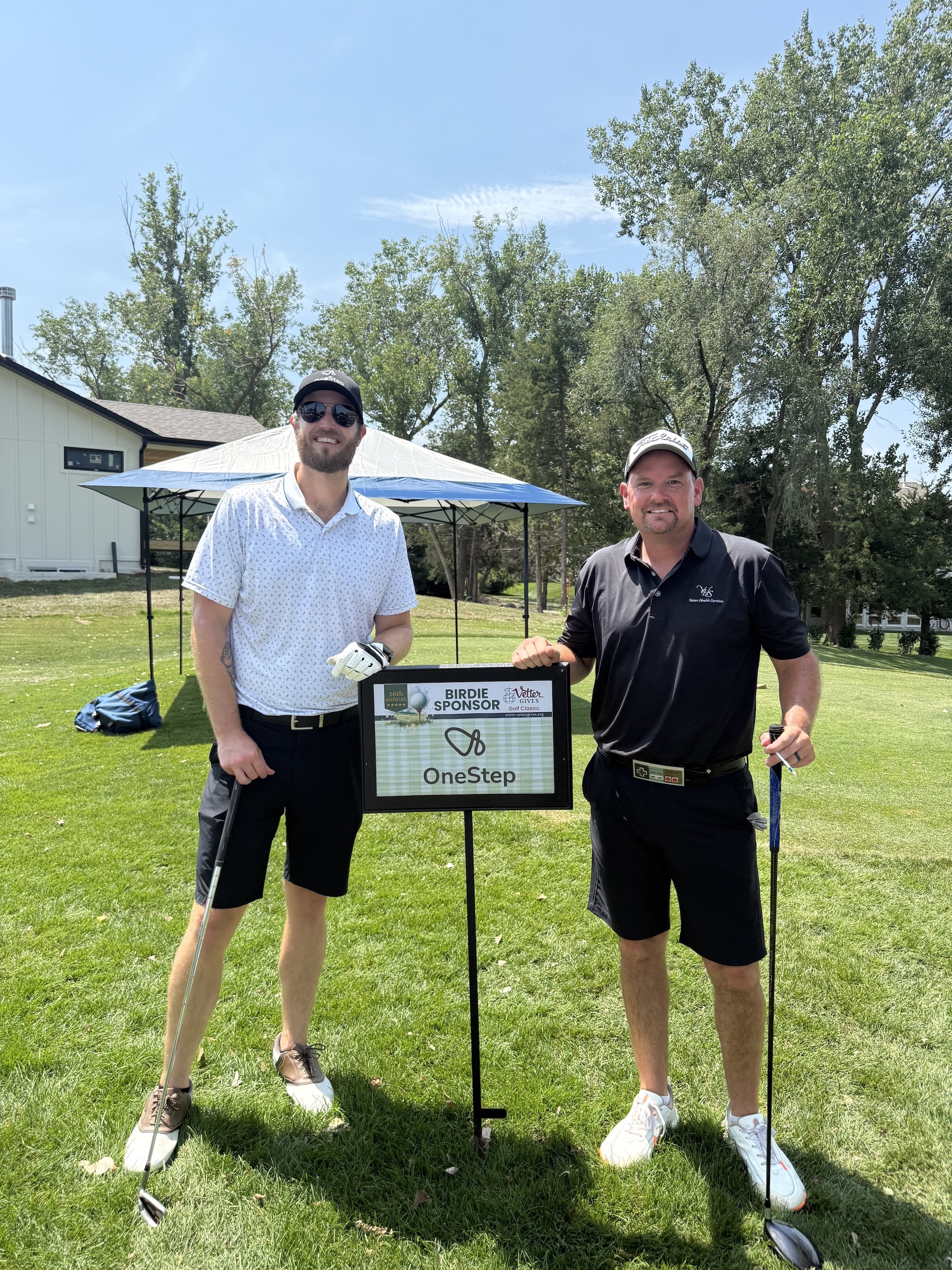
As the Senior Director of Therapy Operations, I oversee rehabilitation services across multiple senior living communities, supporting our therapy teams in delivering high-quality care. My day-to-day involves working closely with our Directors of Rehab and other regional leaders to optimize outcomes, implement best practices, identify opportunities for innovation, and to ensure we live up to our Mission, Vision, and Values each and every day.
I was excited about the opportunity to join OneStep's Customer Advisory Board because I believe this technology has tremendous potential to transform how we assess mobility, identify fall risk, and personalize interventions for our residents. I wanted to be part of the conversation to help ensure the technology remains practical, clinically meaningful, and aligned with the realities of senior living and post-acute care. It's also a great opportunity to collaborate with other leaders who are passionate about improving outcomes for older adults.
One of the biggest challenges is identifying subtle mobility changes before they become significant functional declines or result in a fall. "Being more Proactive vs. Reactive." Many residents experience gradual changes in gait, balance, strength, or confidence that can be difficult to detect through traditional assessment methods alone. Having objective, continuous insights into mobility can help clinicians intervene earlier, personalize care plans, and potentially prevent adverse events before they occur.
I wish more people understood that falls are rarely caused by a single factor. Fall prevention is much more than removing trip hazards or recommending an assistive device. Physical health, cognition, medications, vision, environment, confidence, and even social engagement can all play a role when it comes to falls. Effective fall prevention requires a person-centered approach that addresses both the physical and emotional aspects of mobility and wellness that involves the entire interdisciplinary team. Maintaining independence and quality of life should always be at the center of those efforts.
I've been asked this question many times throughout my career, and I often find myself coming back to the same answer I gave on day one: "I wanted to help people." Because of that, it's hard to point to only one specific moment that reminded me why I chose this field. Instead, I think about the many times I've seen someone arrive at a facility filled with uncertainty and doubt, unsure whether they would ever return home or achieve their goals. Through the combined efforts of therapy, nursing, and family support, I've watched those same individuals regain their strength, confidence, and mobility. One example that stands out is seeing a resident recover from a stroke and regain enough function to walk his daughter down the aisle at her wedding.
"Moments like that are a powerful reminder that our work is about much more than clinical outcomes. It's about restoring dignity, purpose, and quality of life." - John Brackle, DPT, Senior Director of Therapy Operations at Vetter Senior Living
What John brings to our Customer Advisory Board is what every member brings: a clear view from inside the work, and the directness to tell us what actually matters. Every member works in a setting where mobility decisions carry real weight, and every one of them is willing to tell us when we are getting it wrong.
That shapes what gets built, which means it eventually shapes what shows up in your communities. A product designed with clinical leaders in the room behaves differently from one designed without them.
Every step tells a story. Our board makes sure we are listening to the right parts of it.
Keep an eye out for our next Customer Advisory Board spotlight in September.